 Ali Sheikh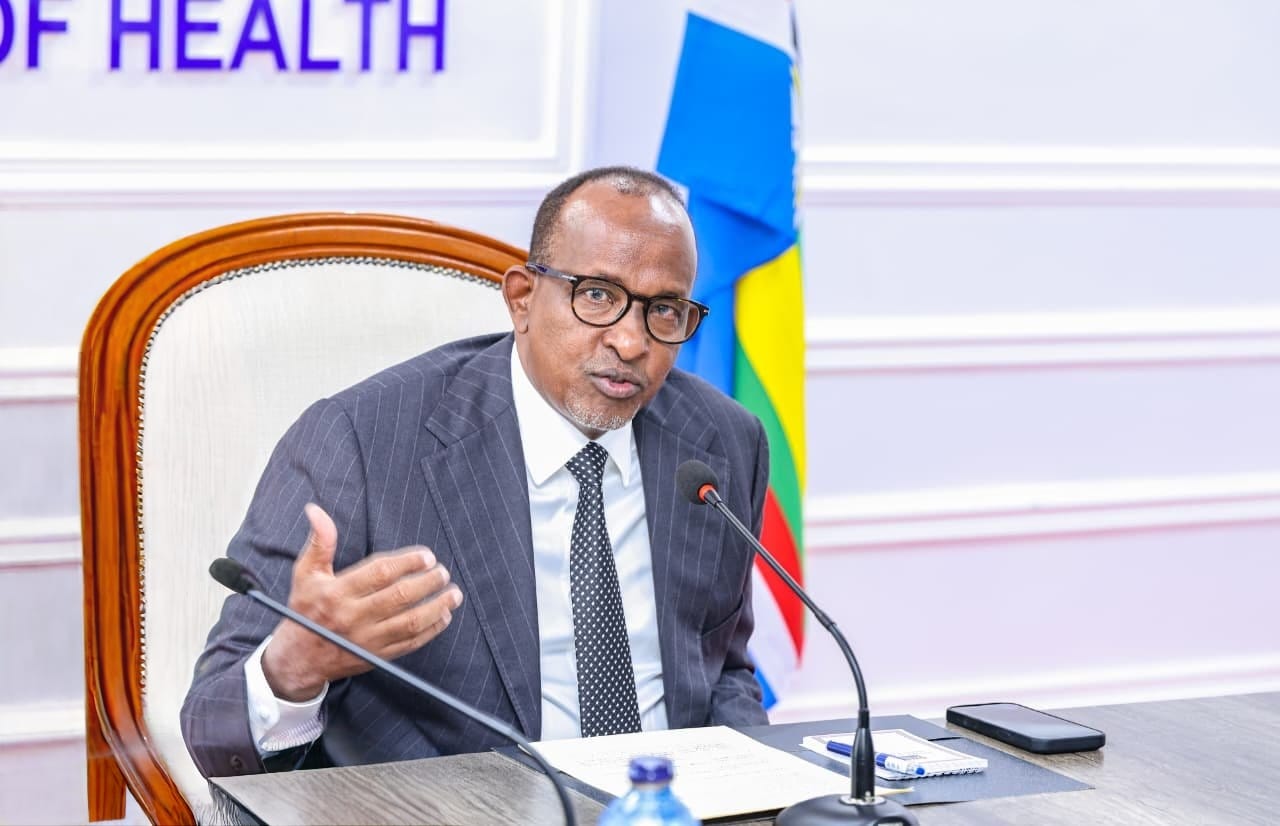
Let’s not dress this up. A handful of North Eastern incumbents are running out of road, and they have decided the smartest play left is to turn Cabinet Secretary Aden Duale into political currency. Not because he’s actually meddling in their races. Because they need a villain, and he is convenient. Currency is useful that way. You don’t have to believe in it. You just have to spend it where the buyers are still willing to take it.
Fafi MP Salah Yakub. Garissa Senator Abdul Haji. Wajir Woman Rep Fatuma Jehow. Wajir Governor Ahmed Abdullahi. That’s the short list. All from Wajir and Garissa. None from Mandera. That absence is the tell, and anyone pretending otherwise is either not paying attention or actively selling the con.

Duale has said, publicly and repeatedly, that he is not running for anything. His stated focus is narrow and consistent: popularise William Ruto’s second-term bid among the Somali community across the North Eastern counties and among the sizeable Somali populations in the major cities. He has issued no public endorsements for any of the other five elective seats in the region. His message to the community has been the same for months: be as divided as you like on who should hold the local seats, but speak with one voice for the President.
In doing so, Duale is attempting to do what North Eastern has failed to do for decades: gather its fragmented political votes into one basket and convert numerical strength into collective leverage.
UDA is widely expected to sweep the elective seats and the votes in North Eastern. For the first time, the Somali community looks set to rally almost unanimously behind a single presidential candidate. Party machinery, campaign resources, and the gravitational pull of the ruling coalition will flow to the UDA ticket holders. For incumbents whose personal popularity with their own electorates has thinned, that ticket is not a preference. It is oxygen. And when oxygen is scarce, inventing an external enemy becomes the cheapest available technology.
Look at the geography of the noise. In Mandera, UDM still runs the show under Senator Ali Roba. The party sits inside the Kenya Kwanza coalition. Duale has no meaningful influence over its internal affairs. So the accusations of meddling do not appear there. They only surface where the local political ground has softened and the speaker needs a story that converts personal weakness into clan solidarity.
Fatuma Jehow offers the cleanest illustration of the scam. The sitting Wajir Woman Representative has joined the chorus claiming Duale is interfering in her seat. Duale hails from Garissa. He has not endorsed a rival. He has not declared interest in the race. What Jehow is actually doing is older and more reliable than any policy argument: she is telling her predominantly Degodia base that a powerful Ogaden Cabinet Secretary from the neighbouring county is coming for them. Whip the clan emotion. Manufacture the siege mentality. Collect the solidarity and the sympathy. The impression created is that the Ogaden are fighting the Degodia, so the Degodia must close ranks around their own. It works until it doesn’t. Right now it still works well enough to be worth the attempt.
Governor Ahmed Abdullahi is running a parallel version of the same script. He has completed two full constitutional terms as governor and currently chairs the Council of Governors. He is now eyeing the Wajir Senate seat. Framing Duale as the disruptive outsider allows the conversation to shift away from whether Abdullahi still commands the numbers and toward a more emotionally useful narrative: defending Wajir against an Ogaden interloper from Garissa. Same script. Same currency. Different office.
Abdul Haji’s version is more nakedly transactional. The Garissa Senator is angling for the governorship, banking on a Samawadal–Awlihan clan coalition with outgoing Governor Nathif Jama, who has finished his two terms and is himself eyeing the Senate. The difficulty is structural. The Awlihan already have a candidate in Amb. Mohamed Muktar Shidiye. Haji’s own Samawadal clan has another gubernatorial aspirant in Ahmed Ibrahim Abass. In Haji’s telling, anyone who refuses to treat him as the ordained flagbearer of that axis must therefore be a “Duale project.” Independent political actors do not exist in this framing. There are only loyalists and agents of the Cabinet Secretary. The real audience for the noise is not the voters. It is State House. The subtext is straightforward: hand me the UDA ticket that many believe is being prepared for former Governor Ali Korane, or the screaming continues.
Salah Yakub’s situation is the least complicated and therefore the most revealing. The Fafi MP has lost favour with his own clan elders, who have publicly endorsed Mohamed Duale for the seat. When local legitimacy collapses, the external scapegoat gets wheeled out on schedule. No elaborate theory required. Just the familiar conversion of internal rejection into external conspiracy.
This is not sophisticated politics. It is survival theater performed by people who understand that clan emotion remains one of the few reliable solvents left when personal standing has eroded. These incumbents are not defending principle or community autonomy. They are converting a man who has deliberately stayed out of their local contests into a useful enemy so they can extract sympathy at home, pressure the party machinery for tickets, and postpone the harder reckoning with their own diminished appeal.
The old political trick of whipping clan feelings still works because enough people are still willing to be whipped. That is the real currency being spent here. Duale is just the face printed on the note.
Duale is playing the politics of coalescing the larger Somali community around a broader national political project. His accusers, by contrast, are playing the politics of the miniature clan, by reducing a much larger political contest to narrow parochial interests.
In other words, Duale is attempting to turn Somali political weight into national political currency; his critics are attempting to turn their immediate political vulnerabilities into a case against him. One is looking at the larger chessboard. The other is obsessing over the pawn immediately in front of it.
The strategy may buy temporary oxygen. It is unlikely to rewrite the larger political reality. UDA’s expected dominance, the resources that will flow to its candidates, and Duale’s consistent focus on Ruto’s re-election rather than local score-settling all point in the same direction. The politicians who have chosen to trade in Duale’s name are revealing more about their own precarious positions than about any genuine interference.
Survival politics rarely looks noble. In this case it looks especially transparent, and the transparency is the part they cannot quite scrub off the currency no matter how hard they spend it.
The politics of North Eastern should be bigger than the political survival of a handful of incumbents. And Aden Duale, whatever one thinks of his politics, should not be allowed to become political currency in a game whose real purpose is to conceal the diminishing value of those spending it.